Vegas Isn't "Too Expensive."
It's Too Frictional.
On price, friction, and where the Strip is most exposed
February 2026 · 12 min read
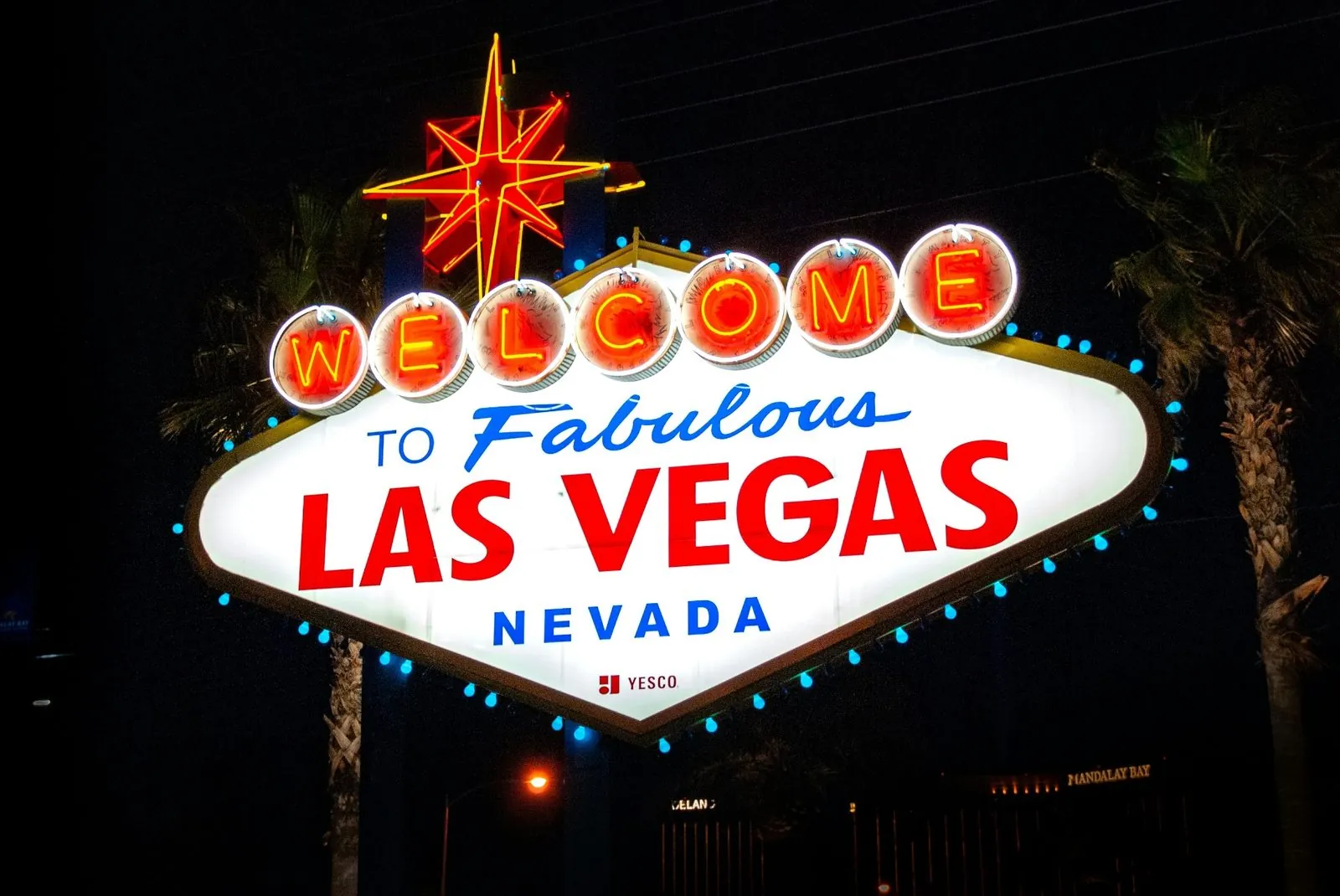
On a recent flight to Las Vegas, I overheard a line I've been hearing more often — and from more credible mouths: "Vegas is getting too expensive. A few thousand dollars for a couple? For that, I could just go to Hawaii."
This isn't a rant. It's a signal. Not a signal that Las Vegas is dying — far from it — but a signal about where the guest contract is cracking, and which properties are most exposed as Vegas continues its post-COVID repricing.
Because the real issue isn't price. It's friction.
Vegas Didn't Just Raise Prices. It Added Toll Booths.
Price increases are easy to rationalize. Guests understand inflation. They understand demand. What they don't tolerate well is stacked extraction — a growing number of micro-charges, surprises, and psychological toll gates between arrival and enjoyment.
Vegas used to run on a simple contract:
"We'll make it easy for you to be here. You'll spend once you're inside."
Today, many Strip experiences feel closer to:
"We'll charge you to arrive, charge you to move, charge you to wait — and then sell you fun."
Operator takeaway: Friction kills tempo, and tempo is the invisible engine of spend. When guests stop flowing, they start to pause. When enjoyment collapses, so does discretionary capture.
The Hawaii Comparison Is a Symptom — Not the Threat
The couple making that comparison isn't wrong. They're just no longer the customer Vegas is optimizing for.
Vegas has deliberately shifted away from "cheap thrills" and toward what I'd describe as a high-throughput luxury entertainment system:
- Fewer guests
- Higher yield
- Denser spectacle
- Event-anchored demand
- Less forgiveness built into the experience
That strategy works — but only if execution remains tight. Vegas doesn't lose relevance when prices rise. It loses relevance when value clarity collapses.
Who Vegas Is Actually Built For Now
Age is irrelevant. Behavior isn't.
Core segments Vegas protects:
- High-frequency gamblers (slots especially): predictable, loyalty-driven, comp-anchored
- Convention and business travelers: midweek fill, expense-account insulation
- Event-anchored guests: residencies, fights, NFL, F1 — the "I can only do this here" crowd
- High-energy leisure (21–38): short stays, high nightly spend, high tolerance for pay-to-play
- International tourists: longer stays, different value calculus, high spectacle appetite
The segment quietly being shed:
The value-anchored leisure couple doing full vacation math:
- flights + hotel + food + fees
- low tolerance for nickel-and-diming
- wants relaxation, not negotiation
- emotionally triggered by surprise charges
This segment used to provide forgiving volume — especially at mid-tier Strip resorts. They are the first to walk.
Vulnerability Map: Where the Strip Is Most Exposed
Here's the operator truth most commentary misses: The most vulnerable properties are not the most expensive ones. They're the properties whose brand promise suggests value, but whose on-site reality feels extractive.
Tier 1: Highest Vulnerability
Value-branded and mid-market resorts with luxury pricing behavior.
These are the places where guests feel they paid premium totals for average experiences:
- dated or uneven room product
- stacked fees (resort, parking, upgrades)
- expensive basics (water, snacks, casual food)
- service that's "fine," not memorable
- weekend pricing spikes that break perceived fairness
This is where resentment forms — and resentment spreads.
Tier 2: Conditional Vulnerability
Upper-mid and luxury-aspirational resorts.
These properties are fine when energy, staffing, and service cadence are aligned. They become exposed when:
- occupancy feels thin
- amenities are restricted
- staffing ratios slip
- premium pricing meets average delivery
Failure mode here isn't anger — it's disappointment, which is quieter but just as dangerous.
Tier 3: Lowest Vulnerability
True destination properties.
These are the resorts people come for, not merely stay at. They can still irritate guests — but they're less likely to lose the trip entirely. Guests might shorten stays or downgrade rooms. They don't cancel the visit.
Where Vegas Overreached (Operationally)
Vegas didn't miscalculate demand. It miscalculated how much friction guests would absorb before reevaluating the trip.
Five overreach zones show up consistently in field observation:
1. Resort fees framed as value, experienced as tax
Guests don't feel what they're paying for. That's the problem.
2. Paid parking as posture
This isn't about dollars — it's about tone. It signals extraction early.
3. Outrageous pricing on basics
Water, minibar items, sundries. This is where trust breaks fastest.
4. Premium F&B pricing without premium delivery
Guests forgive high prices when quality and service match. They revolt when it feels like airport concessions with neon.
5. Gaming value creep alongside expensive lodging
The old psychological trade — "the trip is cheap even if I lose gambling" — no longer holds.
Each of these alone is survivable. Together, they compound into narrative risk.
"We're Not Vegas." What Regional Operators Mean — and Why They're Right
When a regional casino says, "We're not Vegas," they're acknowledging a different operating physics:
- repeat visitation over destination tourism
- relationship economics over spectacle density
- convenience over sprawl
- memory over churn
That's not a weakness. It's a strategic advantage — especially now.
Where Regional Properties Can Beat Vegas Cleanly
From an operator's perspective, regional casinos can outperform Vegas in five decisive ways:
1. Lower friction, higher fairness optics
Free parking, clear pricing, fewer toll gates. Tone matters.
2. Stronger repeat-guest recognition
Vegas has scale. Regional casinos can have memory.
3. Time efficiency
Vegas is an all-day navigation system. Regional properties can deliver a full entertainment hit in a tight window.
4. Service consistency
Less churn, more stability, clearer standards.
5. Credible value narrative
"Entertainment, not extraction" is a positioning Vegas is currently spending trust on.
Roland Guard Field Metrics (What Actually Matters)
If you want to measure this instead of debating it, track these:
1. Toll Booth Count
How many moments of friction does a guest encounter before enjoyment begins? Every extra toll booth increases resentment risk.
2. Magic per Dollar
Not price — felt value. Energy, seamlessness, service clarity, delight moments per hour.
3. Fairness Optics Index
How often does the guest feel:
- squeezed
- tricked
- punished for convenience
Fairness doesn't show up in revenue reports — it shows up in storytelling.
Three Operator Interventions That Actually Move the Needle
If we were advising a Strip operator right now:
1. Remove one toll booth
Parking, resort fee framing, water pricing — pick one. Visibility matters.
2. Guarantee dignity on basics
Stop turning necessities into trust violations.
3. Win the first 20 minutes
Arrival sets the entire spend narrative. Chaos and upsell pressure put guests in defense mode immediately.
Defense mode kills discretionary spend.
Final Note
Vegas is not broken. But mid-tier Vegas is in a knife fight — squeezed between rising costs and shrinking guest forgiveness.
The properties that survive will be the ones that understand this simple truth:
Guests will tolerate high prices.
They will not tolerate feeling managed.
That distinction — between pricing power and friction discipline — is where the next winners separate.
— Roland Guard
Front-Line Analytics for Live Environments