Operator's Notes: Mariah the Scientist at Landmark Live
Landmark Credit Union Live, Milwaukee
Reviewed by Roland Guard | March 13, 2026
Venue
Landmark Credit Union Live
Event
Mariah the Scientist — Live Performance
Location
Milwaukee, Wisconsin
Date
March 13, 2026
Overview
Landmark Credit Union Live is a new mid-sized concert venue built to capture the space between a club and a full arena. It is clearly designed to support high-energy touring acts, premium upsells, and a younger social crowd, especially for shows where floor density, visual identity, and emotional immersion matter as much as the music itself.
Mariah the Scientist was a strong programming fit for the room. The audience was young, image-conscious, and highly motivated by proximity, atmosphere, and shared emotional experience. The venue's opportunity was to convert that demand into a smooth, premium-feeling night.
Instead, the show revealed a building with real promise but a still-developing operating system. The main act delivered the emotional payoff, but too much friction accumulated before and after the performance.
Flow
Arrival & Entry
The venue's biggest weakness on this night was flow. Entry throughput was acceptable on paper, but the overall arrival experience was poorly staged. Guests entered from a cold outdoor queue into a lobby zone that immediately forced too many decisions at once: merch, coat check, VIP photo activity, pit access, section-finding, and general orientation.
Rather than guiding people naturally toward the room and building anticipation, the entrance dispersed energy into confusion.
Wayfinding
Wayfinding was especially weak. Guests appeared unsure where to go, and even staff did not always have immediate answers. Coat check placement and signage created circulation conflicts near the women's restroom.
Later, the pit queue and VIP Photo Booth queue began colliding, creating visible choke points and making it difficult to move across the room. Queue behavior had been treated as a secondary issue rather than as a core part of the guest journey.
Egress — Most Concerning
Before the show had fully ended, guests were already pressing toward the exits. Densities in the lobby rose quickly, and the exit sequence felt messy, under-directed, and close to unsafe.
Staff presence did not meaningfully shape the crowd on the way out. Outside, the lack of clear rideshare pickup logic added to the sense of disorder.
Friction
Environmental Friction
The night began with environmental friction. The audience demographic made it predictable that many guests would arrive dressed for nightlife rather than Milwaukee weather, yet standard-admission guests remained outside in freezing conditions while premium guests had better shelter options.
That created a visible comfort gap before the show even started.
The Vinyl Room
The Vinyl Room was the clearest example of operational friction: it looked like a premium zone, but nearby staff could not explain what it was, what it cost, or how it worked. That undermined both the premium product and the credibility of the operation.
Similar issues appeared elsewhere, including vague upgrade selling, confusing coat check signage, and staff standing near guest-facing touchpoints without useful information.
Unfinished Operating Discipline
- • Staff bringing in merch while guests were waiting for the show
- • Bar restocking through crowded guest traffic, including staff squeezing through with cases of alcohol
- • Spill response revealing confusion around departmental responsibility
- • Exposed HVAC controls in public-access space
None of these moments alone defined the night, but together they made the venue feel operationally immature.
Seating Product
Balcony seats appeared cramped enough that simple actions — like placing a drink in a cupholder — created awkward bodily interference between strangers. That kind of low-level discomfort interrupts immersion over time and matters more than operators often assume.
Energy
Pre-Show Lull
The venue did not manage energy well before the main act. After entry, the room entered an extended low-arousal period. The opener did not begin for a while, there was no visible DJ presence shaping mood, and ambient activation outside the stage area was weak.
Guests spent long stretches standing still, taking selfies in improvised corners, or simply waiting without clear cues. The balcony in particular felt dead during the lull.
Stage Approach
The physical approach to the stage worked better than the lobby. As guests moved closer to the performance zone, sightlines improved and excitement rose. The venue has the bones to generate momentum, but the front-end experience does not yet bridge effectively into the main room.
Main Performance
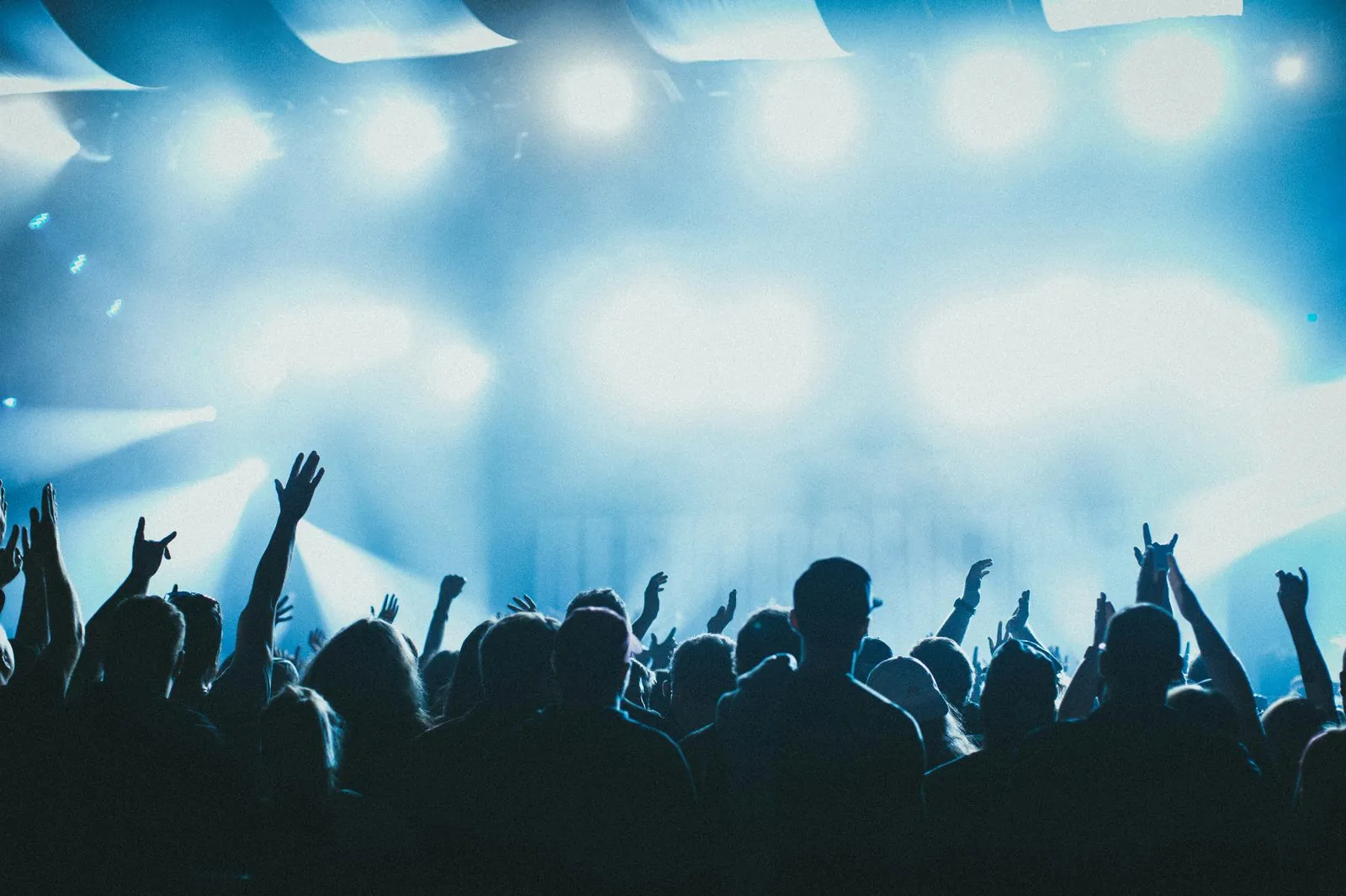
Once Mariah came on, the room changed immediately. The crowd rose, screamed, sang along, swayed, and locked into the emotional world of the performance. Laser lighting helped reinforce immersion.
This was the clearest proof point of the night: the room can work when artist, audience, and staging align.
Sound Mixing Issue
Sound mixing repeatedly interfered with connection. Mariah's speaking voice was often hard to understand, even when music was off. For an artist whose intimacy and fan relationship matter, that is a meaningful breakdown.
When the artist says something and the audience cannot hear it, the rhythm of emotional reciprocity gets interrupted. Her repeated adjustment of her earpiece also subtly projected irritation, which can weaken contagion in the room.
Monetization
Revenue Touchpoints
The venue is clearly trying to monetize across multiple layers: GA floor access, seated inventory, premium experiences, VIP photos, coat check, and beverage sales. The issue was not lack of revenue touchpoints. The issue was poor alignment between product design and actual crowd behavior.
Alcohol vs. Demand
Alcohol appeared overbuilt relative to demand, at least early in the night. There were many bars, large numbers of staff, and multiple instances of labor sitting idle while purchasing activity remained limited.
This crowd appeared more motivated by line position, social presentation, photos, and proximity to the performance than by aggressive early-night beverage spend.
Underdeveloped Demand
Selfie behavior was everywhere, but the venue gave guests few intentional places to do it well. The VIP Photo Booth drew attention, but its queue placement created disruption. Coat check saw meaningful demand but the experience around it was confusing and spatially messy.
The premium offer also lost value because staff could not explain it. A premium room that is visually present but operationally vague does not maximize either margin or aspiration. Monetization was available throughout the building, but not always translated into a coherent guest-facing product.
Recommendations
1. Redesign Arrival Sequence
The first interior zone should convert cold, waiting guests into excited concertgoers. Simplify the decision load at entry and create a cleaner path from front door to "show mode."
2. Queue Design as Core OS
Coat check, photo activation, pit access, and merch cannot all spill into the same circulation zone. Queue paths need to be intentionally mapped so they do not become barriers.
3. Audience-Specific Comfort
For shows with young, nightlife-dressed crowds in cold weather, outdoor waiting is not a neutral condition. Thermal comfort is part of the guest experience and should be operationally anticipated.
4. Premium Product Literacy
Every guest-facing employee near a premium zone should be able to explain what it is, who it is for, how access works, and why it is worth buying.
5. Rebalance Labor to Demand
Bars appeared overstaffed relative to usage. Future staffing plans should be more artist- and audience-specific rather than based on a generic concert template.
6. Social Infrastructure
Purpose-built selfie stations, mirrors, lighting moments, and better resting surfaces would likely outperform some underused bar capacity.
7. Backstage Invisibility
Merch movement, bar restocking, and operational correction should happen out of sight whenever possible. Guests should feel the venue running, not watch it scrambling.
8. Speech Clarity
For this category of artist, dialogue with the crowd is part of the product. Treat speech clarity as a show-critical issue, not just a technical detail.
9. Rework the Exit Plan
Egress needs active staff positioning, brighter lobby timing, clearer routing, and exterior rideshare logic. The end of the show is still part of the show.
Roland Guard Bottom Line
Landmark Credit Union Live showed strong underlying demand and real emotional upside, but the night exposed an operation that is still learning how to shape crowd experience with precision. Mariah the Scientist proved the room can deliver immersion. The venue's challenge is to stop relying on the headliner to overcome friction that should have been removed upstream.
The asset is promising, but the operating choreography remains underdeveloped.
The biggest opportunities are in arrival design, queue control, premium clarity, atmosphere-building before the headliner, and disciplined egress.